
The Best Fluffy Pancakes recipe you will fall in love with. Full of tips and tricks to help you make the best pancakes.

Bringing your brand-new kitten first vet to their initial veterinarian appointment represents a profoundly vital and non-negotiable milestone in proactively safeguarding their immediate health and ensuring their long-term happiness. This crucial first checkup serves multiple essential functions: it allows for the early detection of any underlying health issues, initiates the mandatory vaccination administration schedule, and provides necessary expert guidance on proper feeding, handling, and overall care. While the process of preparing for and navigating this visit can initially seem daunting to a new cat parent, arming yourself with a comprehensive and detailed checklist will dramatically ease your preparation efforts and ensure you meticulously cover every single important aspect during this pivotal first interaction. This guide offers smart, practical, and highly organized ideas to help you prepare confidently, know precisely what medical procedures to expect, and ultimately make the most of your kitten’s foundational vet appointment.
Why the First Vet Visit Is Crucial: Key Ideas

The importance of your kitten’s first veterinary visit cannot be overstated; it is the event that deliberately sets the foundation for a lifetime of proactive wellness and fortifies the trusting bond between your kitten and its professional healthcare provider. This visit is the cornerstone of preventive care.
Health, Immunity, and Stress Reduction
The kitten first vet physical examination allows for early health screening, enabling the veterinarian to immediately detect and address any potential congenital issues, acute infections, or problematic parasites that might require urgent attention and treatment, significantly improving the kitten’s prognosis. This visit also initiates the core vaccination series, which is absolutely critical for establishing immunity against highly infectious, potentially fatal diseases such as feline distemper (Panleukopenia), severe respiratory infections (Rhinotracheitis and Calicivirus), and rabies. Beyond the medical benefits, positive early visits help your kitten become comfortably acclimated to the sounds, smells, and handling techniques associated with veterinary care, successfully reducing future stress and fear that can plague adult cats during clinic visits.
Preventative Care and Long-Term Wellness
The kitten first vet veterinarian is your most reliable resource for personalized, professional advice. During this initial consultation, the vet provides crucial preventative care guidance on topics ranging from optimal nutrition plans tailored to the kitten’s rapid growth rate to effective parasite prevention strategies and a customized wellness schedule that actively supports healthy development. Furthermore, the vet offers essential behavioral insights, providing early guidance on gentle handling, effective socialization techniques, and early training; addressing these topics early on is instrumental in improving your kitten’s confidence and ensuring good adult behavior. Leading veterinary associations worldwide consistently emphasize the fundamental role of initial visits in establishing and maintaining long-term pet health and overall well-being.
| Image | Product | Features | Price |
|
Our Pick
1
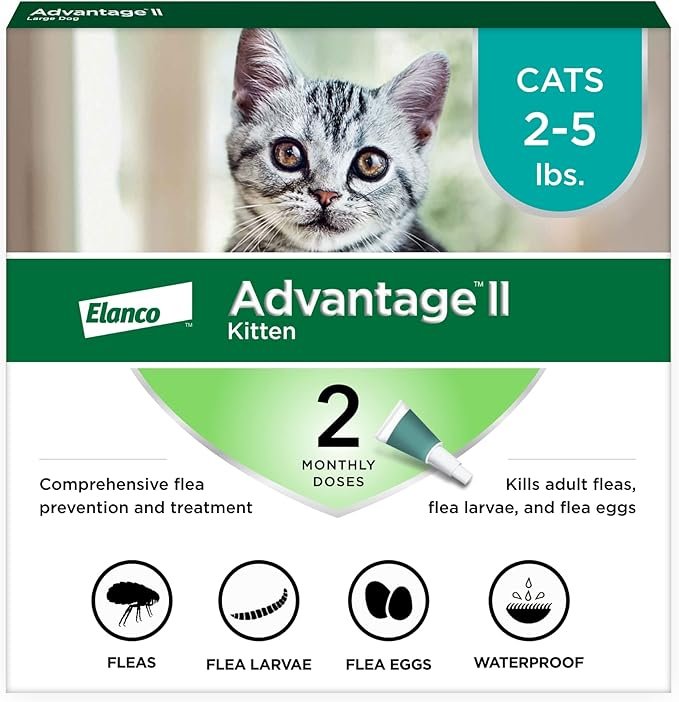 |
Advantage II Kitten |
Vet-Recommended Flea Treatment & Prevention | Cats 2-5 lbs. | 2-Month Supply |
Preparing for Your Kitten’s First Vet Visit: Smart Ideas to Organize
Successful preparation eliminates confusion and stress on the day of the appointment. This requires a systematic approach to scheduling, record gathering, and physical assembly of necessary items.
Scheduling and Gathering Comprehensive Records
You should aim to schedule the first vet visit ideally between 6 to 8 weeks old, as this timing aligns perfectly with the optimal window for initial vaccinations and deworming, or immediately shortly after adoption/foster intake, regardless of the kitten’s age. If you are fortunate enough to be adopting from a reputable shelter or breeder, diligently obtain all available medical records—including dates of first deworming or any prior vaccinations—and ensure you bring these with you to share with your chosen vet. Your task is to assemble a complete Kitten’s Medical and Behavioral History: meticulously note down feeding schedules, the exact brand and type of diet being offered, their current litter box habits (frequency, consistency), and any recent symptoms you may have observed, such as coughing, visible lethargy, or diarrhea. A detailed timeline is incredibly helpful for the vet’s assessment.
The Essential Checklist: What to Bring
A small carry bag should hold everything necessary for a successful and stress-free kitten first vet visit. Crucially, use a secure, comfortable carrier that is appropriately designed and sized for a kitten, lining it with a soft blanket or a familiar towel to ensure safe and calm transport. You must gather all medical records, vaccination documents, and your handwritten notes detailing your kitten’s behavior or specific concerns. A highly prepared list of detailed questions you want to ask your vet (e.g., “What food brand do you recommend?” or “When is the ideal spay age?”) ensures you don’t forget important queries in the moment. Finally, if explicitly requested by the clinic, collect a fresh stool sample (ideally from that morning) and seal it in a small plastic bag or container, as this is essential for immediate, accurate parasite testing.
What to Expect During Your Kitten’s First Vet Visit

The kitten first vet visit is a structured series of examinations, diagnostics, and discussions led by your veterinarian. Knowing the flow of the appointment will help you remain calm and engaged.
Comprehensive Physical Exam and Vaccination Planning
The kitten first vet appointment will begin with a Comprehensive Physical Exam, where the vet conducts a nose-to-tail assessment: this includes carefully checking their current weight and body temperature, listening intently to heart and lung sounds, examining the condition of their eyes, ears, mouth (gums and teeth), and coat. They will then gently palpate the abdomen to check for any abnormalities, assess the lymph nodes, and evaluate their overall hydration status. Following the physical, the vet will initiate the Vaccination Schedule discussion: this involves deciding on the appropriate core vaccines (such as FVRCP, which protects against Feline Viral Rhinotracheitis, Calicivirus, and Panleukopenia) and clearly outlining the timing for the mandatory rabies vaccination according to your specific local laws. You will receive a detailed explanation of the necessary booster shots and the full vaccination schedule required over the coming critical weeks.
Parasite Control, Microchipping, and Wellness Discussion
A major focus of the kitten first vet visit is securing your kitten against common threats. The vet will organize Parasite Control, including testing for internal parasites like roundworms or hookworms (using the stool sample) and visually checking for external parasites such as fleas or ticks. They will then prescribe the best preventive medications and treatments as needed. You will also be offered Microchipping and Identification Options; the vet will provide clear information about the benefits of microchipping for permanent identification and guaranteed reunification if your kitten were ever to get lost, and can immediately assist with the simple, quick microchip implantation if you choose to proceed. Finally, expect detailed Nutrition and Wellness Advice, including specific recommendations on appropriate kitten diets formulated for their age and growth, along with guidance on achieving healthy weight targets and ideal feeding frequency.
| Image | Product | Features | Price |
|
Our Pick
1
 |
EVERLIT Pet Medic First Aid Kit |
Vet-Approved Animal Care Kit with 95 Pcs Medical, Outdoor & Emergency Supplies to Treat Dogs, Cats | Travel-Friendly Compact Bag for Home, Car and Travel (Blue) |
Behavioral Guidance and Future Planning
The vet visit is not solely medical; it is also a consultation on integrating your new kitten successfully into your home life and planning for their long-term medical needs.
Socialization and Handling Techniques
Your veterinarian or a certified technician will provide valuable Behavioral and Socialization Guidance. This typically includes practical tips on handling kittens gently to build trust, detailed instructions for effective litter box training, and advice on implementing early socialization practices to ensure your kitten grows up confident and friendly toward strangers. These early discussions help mitigate future issues like fear-based aggression or litter box avoidance. Finally, you will discuss Scheduling Future Visits and Spay/Neuter Planning. The vet will provide a clear timeline for all necessary follow-up vaccinations and health checkups required in the first year and will engage in an open discussion about the ideal age and significant health and behavioral benefits of spaying or neutering your specific kitten.
Post-Visit Care and Follow-Up Ideas
The care doesn’t stop when you leave the clinic. Diligent observation and follow-up are necessary to ensure your kitten recovers well from any procedures and remains on schedule.
Observation and Record Management
It is important to closely observe your kitten for any potential vaccine side effects in the 24-48 hours immediately following the appointment. These side effects, such as mild fever, temporary lethargy, or minor swelling at the injection site, are typically transient and usually resolve quickly, but anything severe requires a call to the clinic. Crucially, you must strictly keep all follow-up appointments for booster vaccines and ongoing health monitoring as directed by the vet, as failing to complete the series leaves the kitten vulnerable to disease. You must maintain a meticulously organized set of medical records, clearly documenting all vaccination dates, parasite treatments, and major health milestones for future reference. To minimize any negative association with the experience, use positive reinforcement such as high-value treats or engaging play sessions immediately before and after confinement in the carrier to reduce stress related to future vet visits.
Your kitten’s health journey begins with that very first vet visit. Follow this smart ideas checklist to prepare confidently and ensure a successful appointment. Share your own first vet visit experiences or questions in the comments below, and save this guide on Pinterest for easy access to essential kitten healthcare tips!
You May Also Like: The Best Cute Kitten Pictures for Phone Wallpaper