
The Best Fluffy Pancakes recipe you will fall in love with. Full of tips and tricks to help you make the best pancakes.

As the temperatures drop and winter winds howl, your playful kitten faces unique challenges that can impact their health and happiness. From the risk of hypothermia to dry skin and reduced activity levels, winter can be tough on young felines whose immune systems are still developing. But with the right cozy care strategies, you can ensure your kitten stays warm, active, and thriving through the cold months. This comprehensive guide on how to keep your kitten healthy in winter covers everything from warmth and nutrition to preventive health measures and fun indoor activities. Backed by expert advice from veterinarians and animal welfare organizations like PetMD and the ASPCA, you’ll get practical, kitten-specific tips to create a safe, snug environment. Whether you’re a new pet parent or experienced cat owner, these cozy care tips will help your furry friend enjoy a purr-fect winter.
Understanding Winter Risks for Kittens
Kittens are particularly vulnerable to winter’s harsh conditions due to their immature immune systems, thinner coats, and higher energy requirements for growth. Unlike adult cats, young kittens under six months old can’t regulate their body temperature as effectively, making them prone to hypothermia if exposed to temperatures below 45°F. Hypothermia occurs when a kitten’s body temperature drops below normal, leading to symptoms like shivering, lethargy, and in severe cases, heart arrhythmias or death. Frostbite is another risk, especially on sensitive areas like ears, paws, and tails, where tissue damage can happen quickly in freezing weather.
Respiratory infections surge in winter due to dry indoor air and close quarters, with viruses like feline herpesvirus and calicivirus causing sneezing, coughing, and eye discharge. Dehydration is sneaky too—kittens may drink less in cold weather, exacerbating skin issues and urinary problems. Statistics from PetMD indicate that kittens exposed to temperatures below 32°F for extended periods face heightened risks of these conditions. Even indoor kittens aren’t immune; dry heated air can lead to flaky skin and itchiness, as noted by ASPCA grooming guidelines. Understanding these risks is the first step in proactive cozy care for your kitten’s winter health.
Keeping Your Kitten Warm and Cozy Indoors
Creating a warm indoor haven is essential for how to keep your kitten healthy in winter. Maintain your home’s temperature between 70-80°F in areas where your kitten spends most time, using draft blockers on doors and windows to seal out cold air. Humidifiers can combat dry air, preventing respiratory issues and skin dryness—aim for 30-50% humidity levels.
Provide cozy bedding options like heated cat beds, fleece blankets, or enclosed igloos that allow burrowing, which mimics natural denning behavior. For short-haired or hairless breeds like Sphynx kittens, consider lightweight sweaters, but monitor for signs of overheating such as panting.
Here are some bullet points for setting up a cozy space:
- Place beds away from drafty windows and doors to maintain consistent warmth.
- Use safe, low-setting heating pads covered with blankets to avoid burns.
- Encourage snuggling spots near family members for shared body heat and bonding.
Avoid common mistakes like placing beds near radiators, which can cause dehydration or burns. Experts from VCA Hospitals emphasize that wet fur in cold conditions heightens hypothermia risks, so keep your kitten dry after play or baths.
Safe Heating Options for Kittens
When choosing heating aids, opt for thermostatically controlled pads that activate only when needed, reducing energy use and risks. Self-warming mats with reflective materials are a non-electric alternative, harnessing your kitten’s body heat effectively.
Pros of heated pads include targeted warmth for arthritic or young kittens, but cons involve electrical hazards—always choose chew-proof models. Warm water bottles wrapped in towels or microwaveable snuggle disks offer portable options without plugs. Supervise all heating devices, as PetMD warns against overheating, which can lead to dehydration.
Nutrition and Hydration Tips for Winter Kitten Health

Winter demands adjustments to your kitten’s diet to support their growing bodies and maintain warmth. Kittens may need 10-20% more calories in cold weather to generate body heat, so increase portions of high-quality kitten food rich in proteins and fats. Incorporate omega-3 and omega-6 fatty acids from fish oil to promote healthy skin and coat, countering dry air effects.
Hydration is crucial—dry winter air causes higher water loss through respiration, so use heated bowls or fountains to keep water appealing and unfrozen. Add wet food, which contains 70-80% moisture, to meals for extra hydration. Avoid overfeeding to prevent obesity; monitor weight weekly.
Follow this numbered list for a daily nutrition routine:
- Feed calorie-dense kitten formula with added fats for energy.
- Offer multiple small meals throughout the day to sustain metabolism.
- Supplement with moisture-rich treats or broth to boost intake.
Signs of dehydration include dry gums and lethargy—PetMD recommends checking daily. A balanced diet not only keeps your kitten healthy in winter but also strengthens immunity against seasonal bugs.
Preventive Health Checkups and Vaccinations for Kittens in Winter
Regular veterinary care is a cornerstone of cozy care tips for kittens in winter. Schedule checkups every 3-4 weeks until four months old, then annually, to catch issues early. Core vaccinations like FVRCP (feline viral rhinotracheitis, calicivirus, panleukopenia) are vital, protecting against respiratory viruses that peak in winter. Start at 6-8 weeks, with boosters every 3-4 weeks until 16 weeks.
Year-round parasite prevention, including flea, tick, and heartworm meds, is essential even for indoor kittens, as pests can hitchhike inside. Discuss spay/neuter timing with your vet to boost overall immunity.
Bullet points for vet discussions:
- Winter-specific risks like upper respiratory infections (URIs).
- Emergency signs such as persistent shivering or coughing.
- Personalized vaccine schedules based on lifestyle.
Preventive measures can reduce illness risks by up to 80%, according to AVMA guidelines.
Indoor Exercise and Mental Stimulation for Active Kittens
Cabin fever can affect kittens too, leading to boredom and behavioral issues. Daily play is key to how to keep your kitten healthy in winter, maintaining muscle tone and immune function. Aim for 15-20 minutes of interactive sessions twice daily with wands, laser pointers, or feather toys.
Puzzle feeders and treat-dispensing toys provide mental stimulation, mimicking hunting instincts. Vertical spaces like cat trees encourage climbing and exploration, offering both physical and cognitive benefits.
Bullet points for activities:
- Rotate toys weekly to sustain interest and prevent boredom.
- Set up bird feeders outside windows for visual stimulation.
- Incorporate clicker training for tricks, enhancing bonding.
Inactivity can lead to weight gain, so these tips ensure a balanced, engaging winter.
You must read: How to Make Milk Replacer for Kittens: Safe and Nutritious Homemade Milk Formulas
Grooming and Skin Care for Kittens During Winter
Dry winter air strips moisture from your kitten’s skin, causing flakiness and itching. Brush daily for long-haired breeds to remove mats and distribute natural oils; weekly for short-haired. Bathe sparingly with kitten-safe shampoo to avoid stripping oils—every 4-6 weeks is ideal.
Trim nails and inspect paws for cracks, applying pet-safe moisturizers like coconut oil if needed.
Numbered list for a grooming session:
- Use a soft brush to gently remove loose fur and stimulate skin.
- Apply moisturizers to dry patches, massaging in for absorption.
- Clean ears and eyes with vet-approved wipes.
A healthy coat reflects overall wellness; VCA notes that regular grooming prevents issues like dandruff.
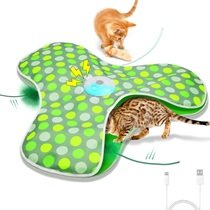
umosis Interactive Cat Toys
PrRechargeable,Moving Concealed Feathers,Real Mouse Squeaky,Touch Activated Cat Kitten Toy Exercise Toys for Indoor Bored Adult Catsoduct Features
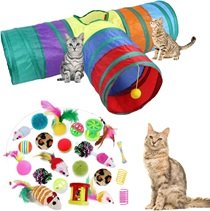
32Pcs Cat Toys Kitten Interactive Pet Toys
PrAssortments, Foldable Rainbow Tunnel, Teaser Wand Fluffy Mouse Crinkle Balls Bell Play for Puppy Kitty (3 way)oduct Features

M JJYPET Cat Wand Toys Interactive Kitten Toys
ProdKitten Toys for Indoor Cats Colorful Teaser Wand String for Exercise Kitten Stick Kitty Rope Toy Rainbow Ribbon Cat Charmer -2Pcsuct Features
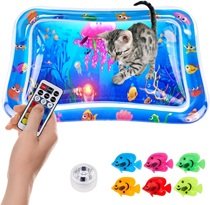
New Multi-Color Lighted Cat Water Mat
PrThickened Anti-Scratch Leak Proof Cat Water Sensor Play Mat with Floating Fish,Interactive Cat Toy for Indoor Cats to Swatting,Exercise,Hunting,Kitten Toysoduct Features
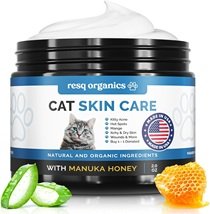
Cat Paw Balm Cat Cream 2 oz
P Hot Spot Treatment for Cats Dermatitis, Mange Treatment, Cat Itchy Skin Relief for Dry Skin, Pet Wound Care, Natural Allergy Relief with Manuka Honey, Aloe Vera, Vitamin Eroduct Features
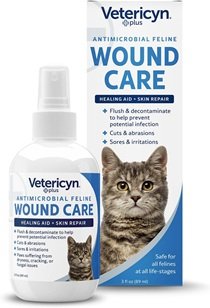
Vetericyn Plus Cat Wound Care Spray
ProdFeline Healing Aid and Skin Repair for Wounds, Sores, and Abrasions, Provides Itch Relief for Cats Irritated Skin. 3 Ouncesuct Features
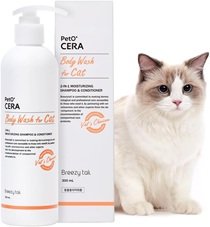
Breezytail PetO’Cera All-in-One Cat Shampoo and Conditioner
PrHypoallergenic Cat Skin & Coat Care | Itch Relief, Moisturizing & Rejuvenating | Veterinarian Approved and Formulated (10.1oz, 300ml)poduct Features

Mooncat Waterless Cat Shampoo
Pr100% Licking Safe & Vet Approved No Rinse Dry Bath Foam – Gentle Deodorizer for Short Haired Cats, Seniors & Kittens – Soothes Sensitive Skin, Reduces Dander & Odoroduct Features
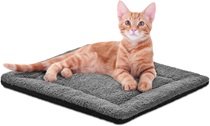
K&H PET PRODUCTS Self-Warming Cat Bed Pad
ProSelf Heating Pad for Outdoor Cat Houses, Warming Mat for Indoor Pet Beds & Furniture, Reversible Blanket, Machine Washable – Small 21 X 17in Gray/ Blackduct Features
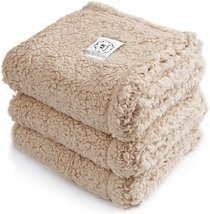
1 Pack 3 Calming Blankets Fluffy Premium Fleece Pet Blanket
Soft Sherpa Throw for Dog Puppy Cat Beige Small (23″ x16”)
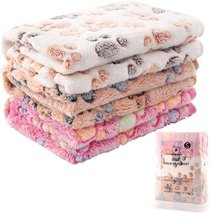
MIWOPET 3 Pack Cat and Dog Blanket
PSoft & Warm Fleece Flannel Sleep Mat, Great Pet Throw for Puppy, Kitten,Cats,Small Dogs (Small 23″ x 15″)product Features
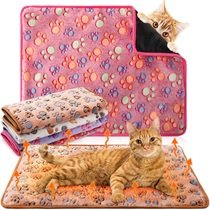
Clysee 4 Pack Self Heating Cat Bed
Product Cat Self Warming Pad with Removable Cover Extra Warm Thermal Pet Pad Washable Pet Crate Mat Anti Slip Kennel for Indoor Outdoor Pets(Dog Paw,16 x 20 Inches)Features
Preventing and Treating Common Winter Illnesses in Kittens
Respiratory infections, or “cat colds,” are prevalent, caused by viruses like herpesvirus—symptoms include sneezing and fever. Humidifiers and vaccinations help prevent them. For hypothermia, warm gradually with blankets and seek vet care if symptoms persist.
Other concerns include urinary tract issues from low hydration and arthritis in growing kittens.
Bullet points on prevention:
- Keep vaccinations current to ward off viruses.
- Isolate from sick pets and use air purifiers.
- Monitor for signs like coughing; use steam for mild relief.
Prompt treatment is key—home remedies support vet care, but antibiotics may be needed for bacterial complications.
Additional Cozy Care Tips for a Happy Winter Kitten
Holiday hazards abound: Avoid toxic plants like poinsettias, tinsel that can cause blockages, and open flames. For travel, use carriers with blankets and never leave kittens in cold cars. If vacationing, hire a sitter or board at a trusted facility.
Join online forums for shared tips and monitor behavior changes. Holistic approaches ensure long-term health.
Keeping your kitten healthy in winter doesn’t have to be overwhelming—with these cozy care tips, you can turn the season into a time of warmth and bonding. From nutritious meals to playful activities, prioritizing their needs will help them grow strong and resilient. Consult your vet for personalized advice, and enjoy the snuggles! Share your winter kitten stories in the comments below, or reach out to local rescues to spread the warmth. Your proactive care makes all the difference—start implementing these tips today for a healthier, happier kitten.
FAQs
How cold is too cold for a kitten indoors?
Kittens should be kept in environments above 70°F; below 45°F outdoors risks hypothermia, per PetMD guidelines.
Do kittens need sweaters in winter?
Short-haired or hairless kittens may benefit from sweaters for extra warmth, but ensure they don’t overheat and remove if distressed.
How can I prevent my kitten from getting a cold in winter?
Maintain vaccinations, use humidifiers, and keep them indoors; steam from showers can relieve congestion if symptoms appear.
What should I feed my kitten to stay healthy in winter?
Offer calorie-dense kitten food with added moisture; increase portions slightly and ensure fresh water to combat dry air dehydration.
How often should I groom my kitten during winter?
Brush daily for long-haired kittens to prevent mats; check skin for dryness weekly and use moisturizers if needed for healthy coats.