
The Best Fluffy Pancakes recipe you will fall in love with. Full of tips and tricks to help you make the best pancakes.

Determining how much wet food to feed a cat per day is a common challenge for pet owners who want their feline companions to stay healthy and happy. Too much food can lead to obesity, while too little can result in malnutrition, leaving cat owners searching for the perfect balance. Wet food, with its high moisture content and appealing flavors, is a fantastic choice for many cats, but portion control is key. This comprehensive guide will walk you through calculating the right amount of wet food for your cat based on their weight, age, and lifestyle. We’ll explore why wet food is beneficial, provide a step-by-step process for determining daily portions, share practical feeding tips, and answer common questions. Whether you’re a new cat parent or looking to refine your feeding routine, this article will equip you with the tools and knowledge to keep your cat thriving.
The Importance of Wet Food in a Cat’s Diet
Wet food is a nutritional powerhouse for cats, offering unique benefits that support their health. However, feeding the right amount daily is critical to avoid health issues and maximize these advantages.
Why Choose Wet Food?
Wet food is often recommended by veterinarians for its ability to meet cats’ unique dietary needs. Here’s why it’s a top choice:
- Hydration Support: With 70-80% water content, wet food helps cats stay hydrated, reducing the risk of urinary tract infections and kidney disease, which affect up to 3% of cats annually.
- Digestive Benefits: Its soft texture is gentle on sensitive stomachs and easier for cats with dental issues to eat.
- Palatability: Rich flavors and varied textures (pâté, chunks, or gravy) make wet food irresistible, especially for picky eaters.
- Nutrient-Rich: Many wet foods are formulated to provide balanced nutrition, supporting coat health, energy, and overall vitality.
Source: The American Association of Feline Practitioners (AAFP) emphasizes wet food’s role in preventing feline lower urinary tract disease (FLUTD), a common health concern.
Risks of Incorrect Portioning
Feeding the wrong amount of wet food can have serious consequences:
- Overfeeding: Excess calories contribute to obesity, which affects over 60% of U.S. cats, increasing risks of diabetes, arthritis, and heart disease.
- Underfeeding: Insufficient calories can lead to malnutrition, causing lethargy, a weakened immune system, and poor coat quality.
- Long-Term Effects: Improper portioning can shorten a cat’s lifespan and lead to costly veterinary care.
Source: The Association for Pet Obesity Prevention highlights obesity as the leading preventable disease in cats, underscoring the need for precise daily feeding.
By calculating how much wet food to feed a cat per day based on their individual needs, you can avoid these risks and promote long-term health.

Factors That Determine How Much Wet Food to Feed
Every cat is unique, and their daily wet food requirements depend on several factors. Understanding these ensures you provide the right portions.
Weight and Body Condition
Your cat’s weight is the foundation for determining their daily food intake, but body condition matters just as much.
Measuring Your Cat’s Weight
Accurate weight measurement is essential for proper portioning:
- Use a Digital Scale: A pet-specific digital scale is ideal, but a bathroom scale works too—weigh yourself with and without your cat, then subtract.
- Regular Checks: Weigh your cat monthly to track changes, especially if they’re gaining or losing weight.
Ideal vs. Overweight Cats
Assessing your cat’s Body Condition Score (BCS) helps determine if their weight is healthy:
- Ideal Weight (BCS 4-5): A visible waistline and ribs that can be felt but not seen.
- Underweight (BCS 1-3): Prominent ribs and no waistline; these cats may need more food.
- Overweight (BCS 6-9): No waistline and excess fat over ribs; these cats need reduced portions.
Age and Life Stage
A cat’s caloric needs vary by life stage:
- Kittens (up to 1 year): Need 30-40 calories per pound of body weight to support rapid growth and high energy levels.
- Adult Cats (1-7 years): Require 20-25 calories per pound, depending on activity level.
- Senior Cats (7+ years): Need 15-20 calories per pound due to slower metabolisms and reduced activity.
- Example: A 5-pound kitten might need 150-200 calories daily, while a 10-pound adult cat needs 200-250 calories.
Activity Level and Health Conditions
Other factors influence daily feeding amounts:
- Active Cats: Cats that play frequently or roam outdoors may need the higher end of the calorie range (e.g., 25 calories per pound).
- Sedentary Cats: Indoor or less active cats require fewer calories (e.g., 20 calories per pound) to prevent weight gain.
- Health Conditions: Cats with diabetes, kidney disease, or obesity need specialized diets. For example, low-carb wet foods benefit diabetic cats, while high-moisture, low-phosphorus foods support kidney health.
Calculating How Much Wet Food to Feed Per Day
Calculating how much wet food to feed a cat per day is straightforward when you use their weight and the food’s caloric content. Here’s how to do it.
General Feeding Guidelines
As a baseline, adult cats need 20-25 calories per pound of body weight daily. However, wet food’s caloric density varies:
- A 3-ounce can might contain 70-120 calories, depending on the brand.
- A 5.5-ounce can might range from 100-200 calories.
- Example: A 10-pound cat needing 200 calories/day requires different portions depending on the food’s calorie content.
Step-by-Step Calculation Process
Follow these steps to determine precise daily portions:
- Weigh Your Cat: Use a digital scale for accuracy and record the weight in pounds.
- Check Food Calories: Find the calorie content on the wet food label or manufacturer’s website (e.g., 80 calories per 3-ounce can).
- Calculate Daily Calories: Multiply your cat’s weight by 20-25 calories (e.g., 10 lbs × 20 = 200 calories/day).
- Determine Portions: Divide daily calories by the calories per can or ounce (e.g., 200 ÷ 80 = 2.5 cans/day).
- Adjust for Variables: Reduce calories by 10-20% for overweight cats or increase slightly for active kittens, per vet advice.
Example Feeding Calculation
Here’s a real-world example:
- Cat Profile: 8-pound adult cat, ideal BCS, moderate activity, needing ~200 calories/day.
- Wet Food: 3-ounce can with 80 calories.
- Calculation: 200 ÷ 80 = 2.5 cans/day.
- Feeding Plan: Split into two meals (1.25 cans morning, 1.25 cans evening).
- Adjustment: For an overweight 8-pound cat, reduce to ~160 calories (2 cans/day) and consult a vet for a weight loss plan.
Best Kitten food. Check it out
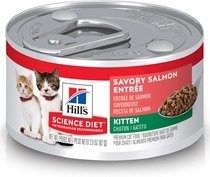
Hill’s Science Diet Kitten
Kitten Premium Nutrition, Wet Cat Food, Salmon Minced, 2.9 oz Can, Case of 24
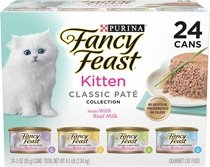
Purina Fancy Feast Tender Ocean Whitefish
Ocean Whitefish, Turkey, Chicken and Salmon Feasts Wet Kitten Food Variety Pack – (Pack of 24) 3 oz. Boxes
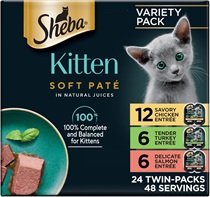
Sheba Perfect Portions
Kitten Wet Cat Food Pate Chicken Entree, Salmon Entree, and Turkey Entree, 2.6 oz. Twin-Pack Trays (24 Count, 48 Servings)
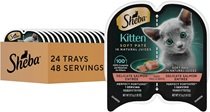
Sheba Perfect Portions Kitten Wet Cat Food
Sheba Perfect Portions Kitten Wet Cat Food

Practical Tips for Feeding Wet Food
Once you’ve calculated daily portions, these tips will help you implement a healthy and enjoyable feeding routine.
Feeding Frequency and Schedule
Cats thrive on small, frequent meals that mimic their natural hunting behavior:
- 2-3 Meals Daily: Feed morning, midday (if possible), and evening to align with their instincts.
- Avoid Spoilage: Remove uneaten wet food after 30-60 minutes to prevent bacterial growth.
- Consistency: Stick to a schedule to stabilize metabolism and reduce begging.
Combining Wet and Dry Food
Mixing wet and dry food can balance nutrition and convenience:
- Example Ratio: 50% wet food (for hydration and palatability) and 50% dry food (for dental health and cost).
- Calorie Balance: Ensure total calories from both sources match your cat’s needs (e.g., 100 calories wet + 100 calories dry for a 200-calorie daily requirement).
- Transition Gradually: Introduce mixed feeding over 7 days to avoid digestive upset.
Tips for Picky Eaters
If your cat is hesitant about wet food:
- Warm the Food: Heat slightly (to body temperature, not hot) to enhance aroma and appeal.
- Experiment with Textures: Try pâté, chunks in gravy, or shredded varieties to find their preference.
- Add Toppers: Sprinkle vet-approved treats like freeze-dried chicken or tuna to entice eating.
Common Mistakes to Avoid
Even with careful calculations, mistakes can happen. Here’s how to avoid common pitfalls when feeding wet food.
You must read: Where Do Cats Hide Their Kittens Outside? Unveiling Feline Hideouts
Misreading Food Labels
Calorie content varies significantly between brands and formulas:
- A 3-ounce can of one brand might have 70 calories, while another has 120.
- Tip: Always check the label or contact the manufacturer for exact calorie information.
Ignoring Veterinary Guidance
Cats with health conditions need specialized diets:
- Diabetic Cats: Benefit from low-carb wet foods like Tiki Cat or Weruva.
- Kidney Disease: Require high-moisture, low-phosphorus options like Hill’s k/d.
Inconsistent Feeding Routines
Irregular feeding schedules disrupt metabolism and can lead to behavioral issues like begging or anxiety:
- Tip: Use automatic feeders or set phone reminders to maintain a consistent schedule.
- Example: Feed at 7 AM and 7 PM daily for stability.
FAQs About How Much Wet Food to Feed a Cat Per Day
Here are answers to common questions to boost SEO and provide quick solutions:
- How much wet food should I feed my cat daily?
Typically 20-25 calories per pound of body weight for adult cats. Use a calculator to tailor portions to your cat’s weight and activity level. - Can I feed my cat only wet food?
Yes, if it’s nutritionally complete (check for AAFCO approval). Consult a vet to ensure all nutritional needs are met. - How do I know if I’m feeding my cat too much?
Check their BCS; no waistline or excess fat (BCS 6-9) indicates overfeeding. Consult a vet for weight management advice. - What if my cat won’t eat wet food?
Transition gradually over 7-10 days, try different flavors or textures, or consult a vet for underlying health issues. - How often should I feed wet food to my cat?
2-3 small meals daily to mimic natural eating patterns and support digestion.
Feeding your cat the right amount of wet food each day is a simple yet powerful way to support their health and happiness. By understanding your cat’s unique needs—based on weight, age, activity level, and health—you can provide precise portions that promote hydration, digestion, and overall vitality. Wet food’s benefits are undeniable, but proper portioning is essential to avoid obesity or malnutrition. Use our step-by-step guide to calculate how much wet food to feed a cat per day, follow our practical tips for a smooth feeding routine, and consult your veterinarian for personalized advice. Ready to take control of your cat’s nutrition? Try a trusted feeding calculator from PetMD or Hill’s today, share this guide with fellow cat owners, or leave a comment with your favorite feeding tips to help other pet parents keep their felines thriving!