
The Best Fluffy Pancakes recipe you will fall in love with. Full of tips and tricks to help you make the best pancakes.

Bringing home a new kitten is like adding a tiny whirlwind of joy to your life—those playful pounces, curious whisker twitches, and soft purrs can melt even the toughest heart. But amid the cuteness, new cat parents often wonder: How do I keep this bundle of energy healthy and happy? That’s where a well-structured daily kitten care routine chart comes in. This essential tool helps you navigate the early months, ensuring your kitten gets the right nutrition, stimulation, and care to grow strong and avoid common pitfalls like nutritional deficiencies or behavioral issues.
In this in-depth guide, we’ll break down a customizable daily kitten care routine chart, tailored for kittens from newborn to six months old. Drawing from trusted sources like PetMD, ASPCA, and veterinary experts, we’ll cover everything from morning health checks to evening wind-downs, including feeding schedules, playtime recommendations, grooming tips, and more. Whether you’re dealing with an orphaned newborn needing bottle-feeding or a rambunctious three-month-old exploring your home, this article equips you with practical, step-by-step advice to foster a lifelong bond. By following a consistent kitten care routine, you’ll not only prevent health problems but also enjoy fewer surprises—like those midnight zoomies! Let’s jump in and create the perfect daily rhythm for your furry friend.
Why a Daily Kitten Care Routine Matters
The Importance of a Structured Daily Kitten Care Routine Chart for Optimal Health
Establishing a daily kitten care routine isn’t just about organization—it’s a cornerstone of your kitten’s well-being. Kittens, like human babies, thrive on predictability, which reduces stress and supports their rapid growth during the first six months. Without a routine, issues like irregular feeding can lead to malnutrition, while skipped playtime might result in destructive behaviors or obesity later on. A structured daily kitten care routine chart helps you track essentials, spot early signs of illness, and build trust, turning potential chaos into harmonious companionship.
Research underscores the benefits: Studies show that routines lower anxiety in cats, leading to fewer sickness behaviors and stronger human-pet bonds. For instance, the Ohio State University found that consistent schedules improve cats’ overall health and happiness, with routine-fed cats exhibiting better behavior and reduced stress. PetMD emphasizes that structured routines aid in developing social skills and preventing anxiety, noting that well-cared-for kittens often live longer, healthier lives. Statistically, kittens require three to four times more calories than adult cats for growth, per Purina guidelines, making timed feedings crucial to avoid over- or under-nourishment.
Here are key benefits in bullet form for quick reference:
- Enhances Bonding: Predictable interactions, like daily play, strengthen your relationship, as noted by veterinary trainers who recommend routines to ease pet anxiety.
- Supports Immune Development: Balanced nutrition through scheduled meals bolsters their growing immune system, reducing risks of common ailments.
- Minimizes Vet Visits: Early detection via daily checks catches issues like weight loss, potentially saving on costly treatments—kittens should gain 7-14 grams daily, according to Kitten Lady.
By prioritizing a daily kitten care routine chart, you’re setting the stage for a vibrant, healthy adult cat. Next, we’ll tailor this to your kitten’s age.

Understanding Your Kitten’s Needs by Age
Age-Specific Daily Kitten Care Routine Chart: From Newborn to 6 Months
Kittens evolve quickly, so your daily kitten care routine chart must adapt to their developmental stages. From helpless newborns relying on bottle-feeding to adventurous six-month-olds ready for spaying/neutering, each phase demands specific adjustments in feeding, play, and monitoring. Ignoring age-specific needs can lead to stunted growth or health complications, but a phased approach ensures optimal development.
Break it down by age:
- 0-4 Weeks: Focus on warmth and frequent feeding every 2-3 hours, simulating mother’s care. Orphans need bottle-feeding with kitten milk replacer, as per Maddie’s Fund’s chart (e.g., a 2 oz kitten requires 15 ml formula per feeding, seven times daily). Sleep dominates at 20-22 hours daily, with minimal play.
- 4-8 Weeks: Introduce solids and litter training. Reduce feedings to 4-6 times daily, mixing wet and dry food. Play increases for socialization, aiming for 10-15 minutes twice a day. Kittens sleep 18-20 hours, per Petco.
- 8-12 Weeks: Start vaccinations; increase exploration. Feed 3-4 times daily, with portions like 1/4 cup per meal. Daily play builds skills, preventing boredom.
- 3-6 Months: Full weaning; consider spay/neuter. Two to three meals suffice, with energy for longer play sessions. Monitor for teething issues.
PetMD recommends weaning at 3-4 weeks, transitioning gradually to avoid digestive upset. Cats.com notes kittens sleep 18-20 hours overall, with play ramping up post-4 weeks for mental stimulation. Customize your chart based on breed and health—consult a vet for tweaks.
You must read: How Long Can a Newborn Kitten Survive Without Its Mother? Vital Insights and Care Tips for 2025
Morning Routine – Kickstarting Your Kitten’s Day
Essential Morning Steps in Your Daily Kitten Care Routine Chart
Mornings set the tone in your daily kitten care routine chart, blending health checks with nourishment to energize your kitten. Start early—around 7 AM—to align with their crepuscular nature (active at dawn). This prevents grumpiness and ensures a smooth day.

Begin with a quick cuddle and body scan: Check eyes for discharge, nose for dryness, and fur for mats. ASPCA advises daily litter checks to spot infections early. Follow with the first meal, tailored by age (e.g., formula for neonates). Provide fresh water always.
Small Door Veterinary suggests 10-15 minutes of morning interaction for bonding. A sample from PetPlace: 7-8 AM feeding and play.
Routine bullets:
- Wake-Up Check: Gentle pat-down for abnormalities.
- First Meal: Age-appropriate portions to fuel growth.
- Short Play: Use soft toys to stimulate senses.
This kickstart keeps your kitten active and alert.
Feeding Schedule and Nutrition Essentials
Detailed Daily Kitten Feeding Schedule Chart: What, When, and How Much
Feeding is the heartbeat of your daily kitten care routine chart—get it right, and your kitten flourishes. Kittens need high-protein, calorie-dense food for growth, but overfeeding risks obesity (60% of cats are overweight, per stats). Use a customizable chart to track.
Purina’s guidelines: Newborns every 2-3 hours, reducing to 2-3 times by 6 months. Daily Paws recommends 4-7 small meals for young kittens. Embrace Pet Insurance notes double calorie needs for kittens.
Here’s a sample table:
| Age | Meals/Day | Portion Size | Food Type |
| 0-4 Weeks | 6-8 | 15-30 ml formula | Kitten milk replacer |
| 4-8 Weeks | 4-6 | 1/4-1/2 cup wet/dry | Weaning mix |
| 8-12 Weeks | 3-4 | 1/3 cup per meal | Kitten formula |
| 3-6 Months | 2-3 | 1/2 cup total daily | High-protein kibble |
Avoid cow’s milk; transition slowly to solids at 4 weeks.
There are some Best Kitten Food ; Must Check on Amazon

PetAg KMR 2nd Step Kitten Weaning Food – 14 oz, Pack of 2
Powdered Kitten Weaning Formula with DHA, Natural Milk Protein, Vitamins & Minerals for Kittens 4-8 Weeks Old – Easy to Digest
PetAg KMR 2nd Step Kitten Weaning Food
14 oz, Pack of 2 – Powdered Kitten Weaning Formula with DHA, Natural Milk Protein, Vitamins & Minerals for Kittens 4-8 Weeks Old – Easy to Digest
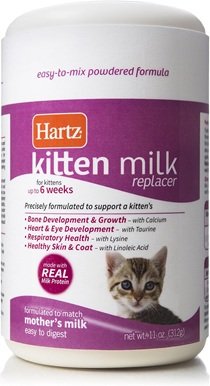
Hartz Powdered Kitten Milk Replacer Formula – 11Oz
Brand
Hartz
Flavor
Milk
Item Form
Powder
Item Weight
11 Ounces
Product Benefits
Digestive Health, Heart Health, Immune Support, Skin Care

Purina ONE High Protein, Natural Dry Kitten Food, +Plus Healthy Kitten Formula – 16 lb. Bag
Brand
Purina ONE
Flavor
Chicken
Age Range (Description)
Kitten
Item Form
Pellet
Specific Uses For Product
Active, Coat, Heart, Indoor, Joints
Playtime and Exercise – Building Strength and Bonds
Incorporating Play into Your Daily Kitten Care Routine Chart for Fun and Fitness
Playtime in your daily kitten care routine chart isn’t just fun—it’s vital for physical and mental health. Dedicate 20-30 minutes twice daily to interactive sessions, mimicking hunting to channel energy positively.
PetMD states daily play prevents obesity and stress. International Cat Care highlights play for development and bonding. Chewy notes it aids socialization. Reddit users suggest 15-20 minutes nightly for kittens.
Tips numbered:
- Feather Wands: Encourage chasing for agility.
- Toy Rotation: Keep interest high.
- Supervise: Avoid string hazards.
This builds strength and curbs mischief.
Grooming and Hygiene – Keeping Your Kitten Clean
Daily Grooming Tips in Your Kitten Care Routine Chart
Grooming keeps your kitten clean and detects issues early in the daily kitten care routine chart. Brush daily to remove loose fur, preventing mats and hairballs.
Purina recommends early grooming for comfort. ASPCA suggests weekly brushing, daily for longhairs. Royal Canin advises gentle sponge baths.
Routine bullets:
- Brush Sessions: Soft tools for coat health.
- Eye Wipes: Damp cloth for cleanliness.
- Nail Trims: Every 2 weeks to prevent scratches.
Start slow for positive associations.
Daily Health Checks and Monitoring
Integrating Health Assessments into Your Daily Kitten Care Routine Chart
Daily health checks in your kitten care routine chart catch problems early, like lethargy or appetite loss. Inspect for red flags: dull fur, unusual peeing, or wobbling.
Kitten Lady’s guide: Monitor weight weekly (steady gain ideal). Purina: Track eating and litter use. AVMA: More exams for kittens.
Steps numbered:
- Weigh Weekly: Aim for 7-14g daily gain.
- Check Gums: Pink and healthy.
- Note Behaviors: Any changes warrant a vet.
This proactive approach saves lives.
Evening Routine – Winding Down for Restful Sleep
Calming Evening Habits in Your Daily Kitten Care Routine Chart
End the day calmly in your daily kitten care routine chart to promote 16-20 hours of sleep. Final feeding aids digestion, followed by gentle play.
Shelter Medicine: Evening feeds help. PetPlace: 7:30-11 PM wind-down. Purina: Kittens sleep 18-20 hours.
Bullets:
- Dim Lights: For relaxation.
- Litter Check: Hygiene first.
- Cuddle Time: Soothe before bed.
This ensures restful nights.
Mastering a daily kitten care routine chart turns kitten parenthood into a rewarding journey, covering feeding, play, grooming, and health for thriving felines. Recap: Adapt by age, prioritize consistency, and consult vets. Customize your chart today—download our free printable and share your experiences in the comments below. What’s your kitten’s favorite routine moment? Join our community for more tips, and let’s raise the happiest cats together!
FAQs About Daily Kitten Care Routine Chart
- What is a basic daily kitten care routine chart?
- It includes feeding 3-8 times/day, play, grooming, and health checks, adjusted by age per PetMD.
- How often should I feed my kitten?
- Newborns every 2-3 hours; older kittens 2-4 times, based on Purina charts.
- Why is playtime important in a kitten care routine?
- It builds skills and prevents boredom, as per International Cat Care.
- How do I groom a young kitten daily?
- Start with gentle brushing; ASPCA tips include ear checks.
- What daily health signs should I monitor?
- Appetite, energy, and litter habits; Kitten Lady guide for assessments.