The Best Fluffy Pancakes recipe you will fall in love with. Full of tips and tricks to help you make the best pancakes.

Imagine stumbling upon a tiny, mewling newborn kitten abandoned in your backyard during the peak of kitten season 2025—what’s your first move? This article dives deep into the critical question of how long a newborn kitten can survive without its mother, drawing on the latest veterinary insights and statistics to equip you with life-saving knowledge. We’ll cover survival timelines, age-specific risks, practical care strategies—including whether a 4-week-old kitten can survive without its mother—and alternatives for care when the mother is absent. Backed by expert sources like the ASPCA and PetMD, this guide aims to boost survival rates for orphaned kittens, which can be as low as 60% without proper intervention, while optimizing for searches like “orphaned kitten care 2025.” Expect actionable advice, data-driven tips, and FAQs to help you act confidently and save lives.
In 2025, with warmer climates extending kitten seasons and leading to an estimated 1.5-2 million orphaned kittens in the U.S. alone, understanding these vulnerabilities is more crucial than ever. Feral cat populations are booming, and shelters are overwhelmed, reporting a 10.5% drop in euthanasia rates thanks to better education—but mortality for neonates remains high at 15-40%. Whether you’re a first-time rescuer or a seasoned foster parent, this comprehensive guide will walk you through the essentials, from immediate emergency steps to long-term fostering strategies. By the end, you’ll be empowered to make a real difference, potentially saving lives during this challenging time.zz

source pexles
Understanding the Vulnerability of Newborn Kittens
Newborn kittens are incredibly fragile, relying entirely on their mother for survival in their earliest days. Without her, their chances plummet dramatically, making “newborn kitten survival without mother” a top concern for animal lovers in 2025. These tiny creatures, often weighing just 3-4 ounces at birth, lack the ability to thermoregulate, meaning they can succumb to hypothermia in mere hours if left exposed. Their immune systems are underdeveloped, and they depend on mom’s colostrum—the nutrient-rich first milk—for antibodies that protect against infections.
In fact, studies show that pre-weaning mortality (from birth to 4 weeks) hovers between 15-30%, with higher rates in orphaned litters due to factors like low birth weight and exposure to pathogens. This vulnerability peaks during kitten season, which in 2025 is expected to be more intense due to climate shifts, resulting in overwhelmed shelters and a call for more community fosters.
Why Mother’s Care Is Crucial in the First Weeks
The mother cat plays multiple roles: nursemaid, warmer, and protector. She stimulates her kittens to urinate and defecate by licking them, a process humans must mimic with a warm, damp cloth if she’s absent. Without this, toxins build up, leading to rapid decline. Mother’s milk provides perfect nutrition, hydration, and immunity—substitutes like cow’s milk can cause diarrhea and dehydration, worsening the odds.
Data from DoveLewis Veterinary Emergency and Specialty Hospital indicates mortality rates for neonates under 3 weeks without care can reach 40%, often from hypothermia below 95°F body temperature. In 2025, with rising intakes—over 43% of pre-adoption age kittens dying unassisted in some shelters—early intervention is key.
Signs of a Truly Orphaned Kitten
– Constant crying or mewling, indicating hunger or cold. – Cold to the touch, with pale gums or lethargy—signs of hypothermia. – No weight gain; newborns should gain 10-20g daily. – Dirtiness or fleas, as mom would groom them regularly. Wait 4-8 hours for mom to return before intervening, as per Humane Society guidelines, since she may be hunting. If she’s feral, consider trap-neuter-return programs to prevent future litters.
You Must Read: Kitten Care After Spaying: A Complete Guide to Recovery and Wellness
How Long Can a Newborn Kitten Survive Without Its Mother?
Addressing the core query head-on: without intervention, a newborn kitten can survive only 24-48 hours at most, often less due to starvation, dehydration, and hypothermia. This timeline is stark, but with human care, survival rates can soar to 85% in trained environments.
In real-world scenarios, like those shared on forums, rescuers report kittens fading within 6-12 hours if cold and unfed. Fading kitten syndrome—a sudden decline marked by weakness and low body temperature—claims many, with 2025 data showing 15-40% overall mortality for orphans.
Survival Timeline Breakdown by Age
– 0-1 Week: Mere hours to a day without warmth and feeding; they need colostrum equivalents immediately. – 1-3 Weeks: Up to 48 hours if somewhat sheltered, but infections set in quickly without stimulation. – 3-4 Weeks: Better odds, potentially days, as they begin to move and lap liquids. Expert insights from PetMD emphasize that even with care, very young orphans may die from underlying issues like enteritis.
Factors Affecting Survival Rates in 2025
- Environmental temperature: Warmer climates extend kitten season, increasing orphans but also exposure risks. 2. Access to formula vs. no nutrition: KMR (kitten milk replacer) is vital; without it, starvation hits fast. 3. Human intervention speed: Berkeley Humane reports 29% non-survival for under-4-week intakes, but fostering reduces this. Additional factors include breed—pedigrees face 34.5% mortality vs. 10-17% for mixed.
Can a 4-Week-Old Kitten Survive Without Its Mother?
Yes, a 4-week-old kitten can survive without its mother, but it requires dedicated care to thrive. At this age, they’re transitioning from full dependency, with higher survival chances—60-85% with proper support—compared to neonates. They can lap gruel and self-regulate temperature somewhat, but early separation risks behavioral issues like poor socialization.
In 2025, with kitten intakes rising, forums like Reddit highlight success stories where 4-week-olds survive nights alone if fed pate food, though experts warn against assuming independence too soon.
Weaning and Independence Milestones
By 4 weeks, eyes are open, ears unfolded, and walking begins. Weaning starts with soft foods, reducing milk dependency. Without mom, provide socialization through gentle handling to prevent fearfulness. Alley Cat Allies recommends keeping them until 8 weeks for best outcomes.
Care Tips for 4-Week-Old Orphans in 2025
– Introduce gruel: Mix KMR with kitten food for easy lapping. – Litter train: Use shallow boxes with non-clumping litter. – Vet check: Deworm and vaccinate; fleas can cause anemia. SPCA advises heating pads and frequent feeding, with 73% of older orphans being male in some studies.
Care for Newborn Kittens and Mother Alternatives When She’s Absent
When mom is missing, replicating her role is essential for “care for newborn kittens and mother” alternatives. Orphaned care involves round-the-clock attention, but it’s rewarding—shelters report 85% success with protocols.
Step-by-Step Emergency Care Guide
Warmth first: Use a 95-100°F nesting box with a heating pad (low setting) to prevent chilling. Bottle-feed KMR every 2-3 hours, stimulating elimination post-meal. Keep the area clean to avoid infections.
ASPCA and Napa Humane stress monitoring for dampness and using probiotics for gut health.
Nutrition and Hygiene Essentials
- Use kitten-specific formula: Avoid cow’s milk to prevent digestive upset. 2. Weigh daily: Aim for 10-20g gain; track with apps for 2025 fosters. 3. Vaccinate at 4-6 weeks: Include socialization with toys or foster siblings. Maddie’s Fund emphasizes clean, dry nesting to curb disease spread.
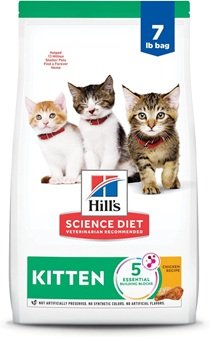
Hill’s Science Diet Kitten
Kitten Premium Nutrition, Dry Cat Food, Chicken Recipe, 7 lb Bag
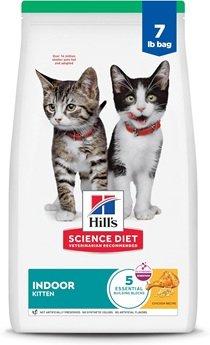
Hill’s Science Diet Indoor, Kitten
Easy Litter Box Cleanup, Dry Cat Food, Chicken Recipe, 7 lb Bag
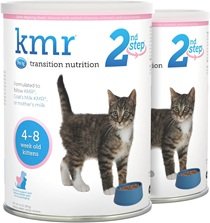
PetAg KMR 2nd Step Kitten Weaning Food
14 oz – Powdered Kitten Weaning Formula with DHA, Natural Milk Protein, Vitamins & Minerals for Kittens 4-8…
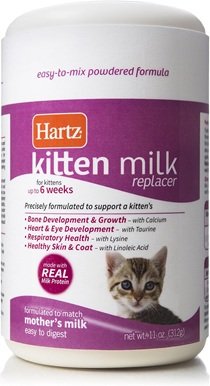
Hartz Powdered Kitten Milk Replacer Formula – 11Oz
Brand
Hartz
Flavor
Milk
Item Form
Powder
Item Weight
11 Ounces
Product Benefits
Digestive Health, Heart Health, Immune Support, Skin Care
Common Mistakes to Avoid When Caring for Orphaned Kittens
Even well-intentioned rescuers make errors that lower survival odds. Overfeeding can cause aspiration pneumonia, while ignoring parasites leads to anemia—common in 2025’s feral litters.
Top Errors and How to Fix Them
– Overfeeding: Feed small amounts frequently; burp after meals. – Ignoring fleas: Use vet-approved treatments from 2 weeks. – Co-mingling litters: Quarantine to prevent disease outbreaks. Veterinary Partner advises stimulating only after feeding and taming ferals by 4 weeks.
When to Seek Veterinary Help
– Lethargy or weak cries: Could indicate fading syndrome. – Diarrhea or bloating: Sign of improper formula. – No weight gain: Immediate vet intervention needed. 2025 trends show probiotics improving outcomes, reducing mortality from 20% in some shelters.
FAQs About Orphaned Newborn Kittens and Mother Care
What Should I Feed a Newborn Kitten Without Its Mother?
Use kitten milk replacement formula every 2-3 hours; transition to solids at 4 weeks.
How Can I Tell If a Kitten Is Orphaned?
Look for dirtiness, coldness, or constant distress; monitor for mom’s return up to 12 hours.
Can a 4-Week-Old Kitten Survive Without Its Mother Long-Term?
Yes, with proper weaning and care, but early separation may affect socialization—aim for fostering until 8 weeks.
What Are the Survival Odds for Orphaned Kittens in 2025?
15-40% mortality overall, but up to 85% success with trained care per shelter reports.
How Do I Provide Care for Newborn Kittens and Mother If She’s Nearby?
Support mom with high-calorie food and a safe nest; only intervene if she’s absent or unwell.
In conclusion, armed with this knowledge, you can turn the tide for orphaned kittens in 2025. If you’ve found a litter or want to foster, contact your local shelter today—your actions could save lives. Share this guide on social media, comment your experiences below, or sign up for fostering alerts to make an impact. Let’s reduce those mortality rates together!